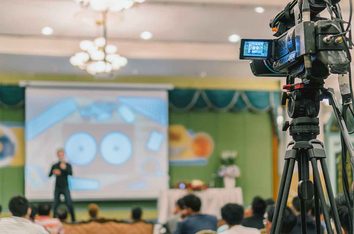
Corporate events move quickly. A keynote finishes, a VIP leaves the room, an award is presented or an important conversation happens—and none of those moments can be recreated afterwards.
A clear corporate event photography shot list helps the photographer, event organiser and marketing team work towards the same goal. It also ensures that the final gallery contains more than attractive photographs. It provides useful content for press releases, social media, sponsor reports, internal communications and future event promotion.
After covering more than 500 events across Dublin and Ireland, we have created this practical checklist of 40 photographs worth planning for your next conference, awards ceremony, product launch or company event.
If you are currently organising an event, explore our event photography services in Dublin or request a tailored quote from E17.

Why Is an Event Photography Shot List Important?
Every corporate event has different priorities. An organiser may want photographs showing a full and successful venue. A sponsor wants clear evidence of brand visibility. The communications team needs images suitable for press releases, while the social media manager may need a selection before the event has finished.
A useful shot list identifies these priorities without attempting to control every photograph. It gives the photographer a framework while leaving enough flexibility to capture spontaneous interactions and unexpected moments.
For conferences with several stages, breakout rooms or exhibition areas, use the shot list alongside the event schedule. Our conference photographers in Dublin work from the agenda to be in the right location before each important moment begins.
Venue and Event Preparation
1. Exterior of the venue
A photograph of the building, entrance or venue signage provides context and can be useful in reports and future promotional material.
2. Empty room before guests arrive
Photograph the completed room while tables, chairs, staging and lighting are still perfectly arranged.
3. Wide photograph of the event space
Capture the entire room from a strong elevated or central position to show the scale and production quality of the event.
4. Registration and welcome desk
Include staff preparing badges, programmes and welcome materials before registration begins.
5. Stage and AV setup
Photograph screens, microphones, lighting, lecterns and presentation displays while the stage is clear.
6. Table settings and decorative details
Include menus, name cards, flowers, trophies, gifts and other carefully designed elements.

Branding and Sponsor Photography
Sponsors often require photographic evidence showing how their brand appeared during an event. These photographs can be essential for post-event reports and future sponsorship proposals.
7. Main event signage
Capture the event title, date and primary visual identity clearly.
8. Sponsor logo wall
Photograph the full display before it becomes crowded and again when speakers or VIPs pose in front of it.
9. Branded stage and presentation screen
Create wide and medium photographs showing the speaker together with the event branding.
10. Sponsor stands and exhibition areas
Show each stand, its representatives and meaningful interaction with attendees.
11. Branded materials and products
Photograph programmes, lanyards, merchandise, displays and products in use rather than only as isolated objects.
Speakers and Panel Discussions
Speaker photography is one of the most important parts of a conference photography shot list. Aim for variety so the communications team receives both documentary and promotional images.
12. Speaker walking onto the stage
The entrance frequently produces a confident photograph with applause or event branding in the background.
13. Full-stage photograph
Show the speaker, stage design, screen and scale of the venue.
14. Speaker close-up
Capture a clean portrait with a natural expression and open eyes.
15. Speaker gesturing
Hand gestures and body language make presentation photographs feel more energetic.
16. Speaker with presentation content
When appropriate, include the speaker and a relevant slide without making the screen difficult to read.
17. Complete panel discussion
Photograph every participant and the moderator together.
18. Individual panel interactions
Capture close-ups of panellists speaking, listening and responding to one another.
Audience and Delegate Reactions
Photographs of speakers alone do not communicate the full atmosphere of an event. Audience images demonstrate engagement and help show the scale of attendance.
19. Full audience from the back of the room
Include the audience, stage and presentation in a single establishing photograph.
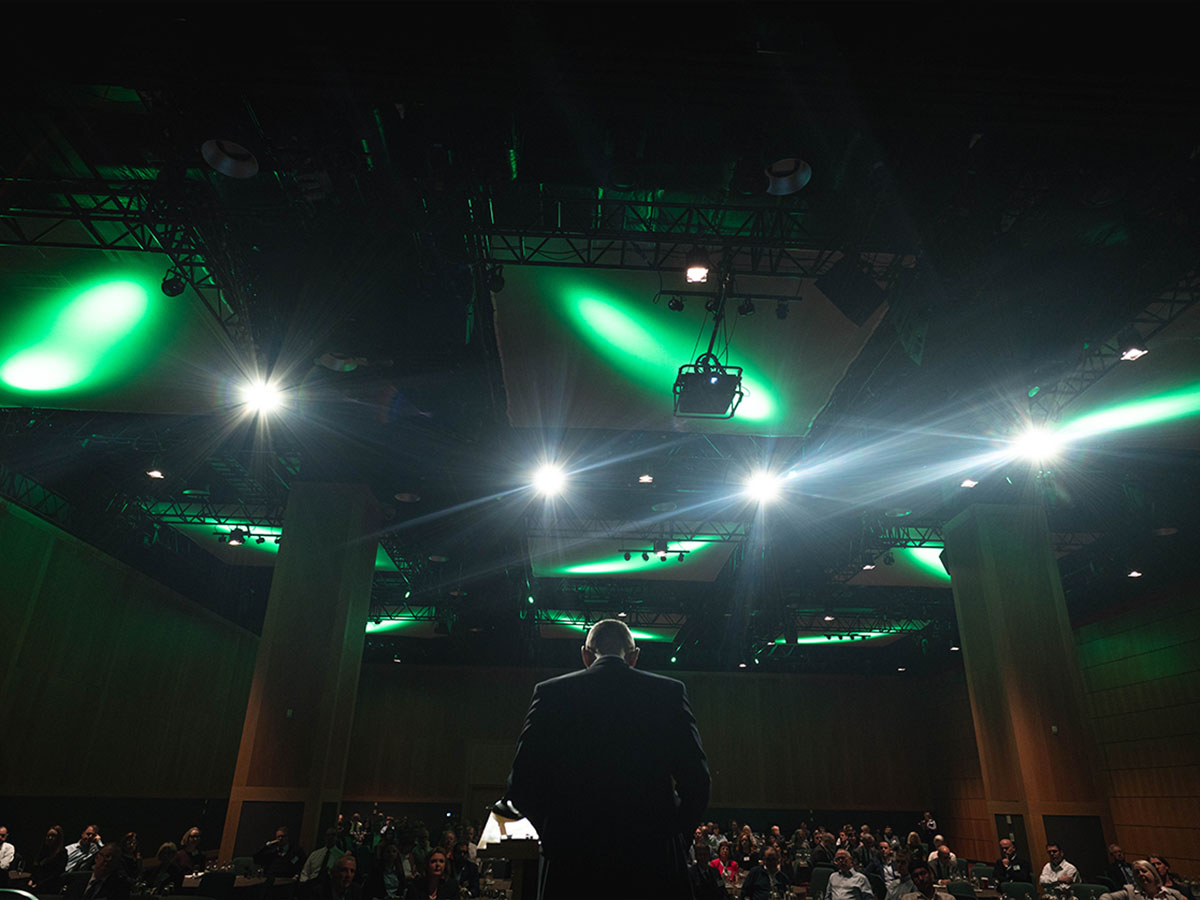
20. Audience from the speaker’s perspective
When access allows, photograph delegates from the stage or side of the stage.
21. Individual reactions
Look for people smiling, concentrating, laughing or taking notes.
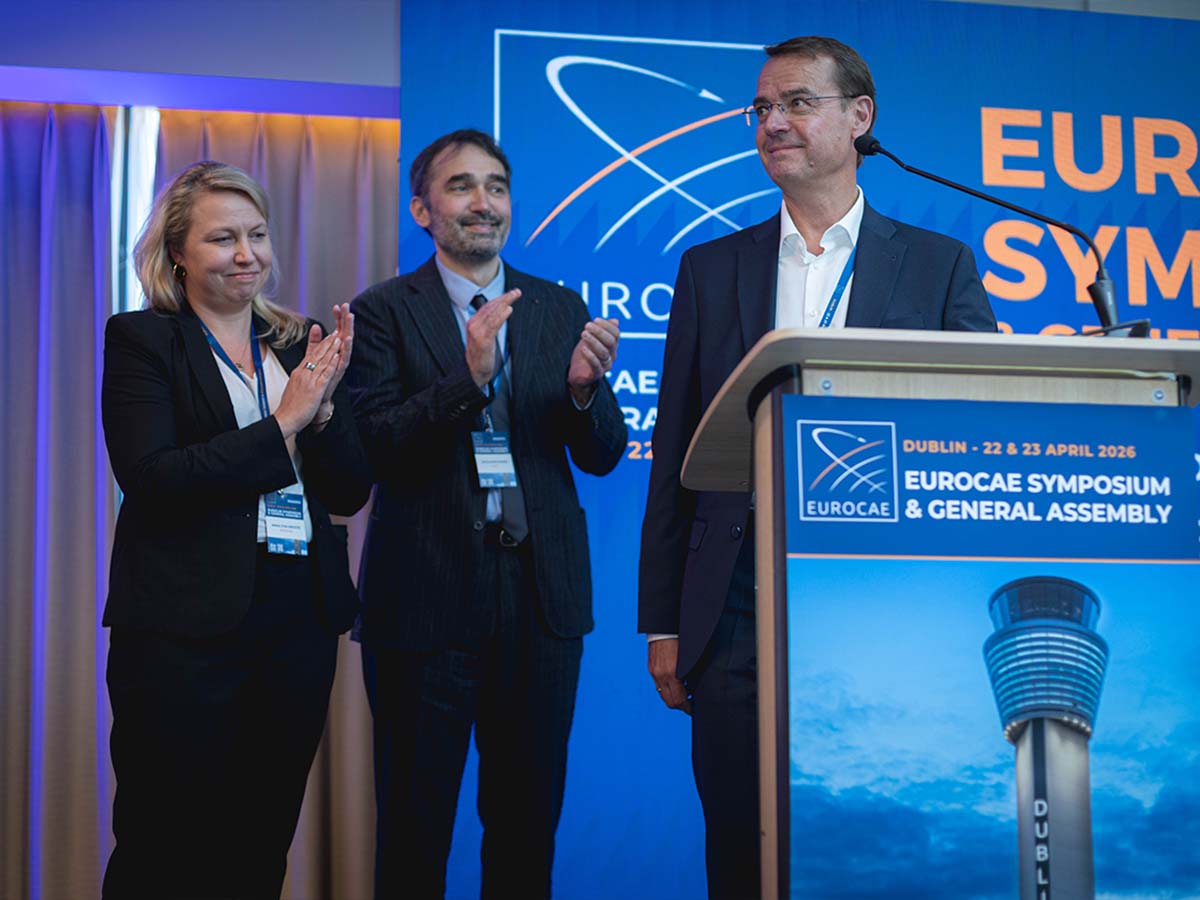
22. Applause
Audience applause creates energy and helps mark important moments in the programme.
23. Questions from the audience
Photograph the delegate asking the question and, where possible, the speaker’s response.
Networking and Candid Moments
Networking photographs show the human value of a corporate event. The strongest images normally feature genuine conversations instead of people looking directly at the camera.
24. Guest arrivals and greetings
Capture handshakes, welcomes and first interactions near the entrance.
25. Small-group conversations
Photograph groups of two to four people where faces and expressions remain visible.
26. Business card or contact exchange
Small gestures can communicate the professional purpose of the event.
27. Informal conversations between speakers and delegates
These photographs often become valuable content for organisers and participating organisations.
28. Busy networking area
Create a wide photograph showing a well-attended, active room.
VIPs, Executives and Organisers
Important people should be identified before the event. Provide names, roles and expected arrival times whenever possible.
29. VIP arrival
Photograph the welcome, handshake or introduction at the venue.
30. Executive portrait at the event
A quick environmental portrait can provide useful content beyond the event gallery.
31. Organising team
Create a planned photograph of the people responsible for delivering the event.
32. VIPs with sponsors or hosts
Photograph key representatives together, with relevant branding visible where possible.
Team and Group Photographs
Group photographs are easier to organise when they are included in the schedule rather than requested at the last minute.
33. Complete team photograph
Choose the location and arrange people before gathering the group.
34. Leadership or executive group
Create a smaller, more formal photograph suitable for company communications.
35. Speakers and panellists together
Schedule this immediately before or after the session, while everyone is in the same area.
Awards and Recognition
For an awards ceremony, provide the running order and, if available, the confidential winners list. This allows the photographer to anticipate every handover.
36. Award presentation
Capture the handover, handshake and both people looking towards the camera.
37. Winner with trophy
Take a clean photograph immediately after each presentation.
38. Winner’s reaction and celebration
Photograph the emotional moment as well as the formal presentation.
For large awards nights, a second photographer can cover guest reactions while the main photographer remains positioned for every stage handover.

Photographs for PR and Social Media
39. Press-ready hero photograph
Create at least one image that clearly communicates who attended, what happened and where the event took place. It should work for a press release, website banner or event announcement.
40. Vertical social media photographs
Capture vertical images for Instagram Stories, LinkedIn, reels covers and mobile-first campaigns. Leave some clear space where text or branding can be added later.
Quick Corporate Event Photography Checklist
Before the event, send your photographer:
- the full event schedule;
- venue address and access instructions;
- names and photographs of VIPs;
- speaker and panellist details;
- sponsor requirements;
- a list of planned group photographs;
- any photography restrictions;
- deadlines for press and social media images;
- the contact details of one decision-maker on site.
Avoid creating an extremely long list describing every angle and expression. Identify the people, moments and commercial priorities that must not be missed, then allow the photographer to document the event naturally.
How Many Photographers Does Your Event Need?
One photographer is generally suitable when the programme takes place in one room and important sessions do not overlap.
Consider using two or more photographers when:
- sessions take place simultaneously;
- the venue contains multiple floors or buildings;
- stage activity and networking must be covered at the same time;
- there is a large exhibition area;
- every award winner must be photographed;
- VIP portraits or headshots are required during the programme;
- same-day editing is needed while photography continues.
The correct team size should be based on the schedule and venue layout rather than attendance alone.
When Should Event Photographs Be Delivered?
Delivery requirements should be agreed before the event. A same-day selection can be prepared for press releases, sponsors and social media, while the complete edited gallery can follow afterwards.
E17 normally delivers full event galleries within 48 hours, with faster highlight selections available when required. Discuss the required image orientation, file resolution and delivery deadline during the initial brief.
Planning a Corporate Event in Dublin?
E17 provides professional corporate photography in Dublin for conferences, awards ceremonies, corporate events, networking evenings and product launches across Ireland.
We work from your agenda and priorities, covering speakers, delegates, sponsors, VIPs and the spontaneous moments that communicate the atmosphere of the event.
Request a free photography quote with your date, venue, schedule and expected hours of coverage. We will confirm availability and recommend the appropriate photography team for your event.
Frequently Asked Questions
What should be included in a corporate event photography shot list?
Include the venue, branding, speakers, audience reactions, sponsors, networking, VIPs, organisers and planned group photographs. Also specify which photographs are required for press, reports and social media.
Should I give the photographer a complete list of every photo?
No. The list should identify essential people and moments without preventing the photographer from working creatively. A concise list of priorities combined with the event schedule normally produces better results.
When should I send the shot list?
Send the first version several days before the event. Provide final schedule changes, speaker details or confidential winner information as soon as they are confirmed.
How many photographers do I need for a corporate event?
One photographer may be sufficient for a single-room event. Multiple photographers are recommended when sessions overlap, the venue is large or stage presentations and guest interactions must be covered simultaneously.
Can event photographs be delivered on the same day?
Yes. A selected group of edited images can be delivered during or shortly after the event for press and social media. The turnaround and number of priority images should be agreed before the event.
Planning your schedule? Use our event photography coverage hours guide to compare two-hour, half-day and full-day options.