Written by E17 Photography. Last updated: 10 October 2026.
How long should you hire an event photographer? The honest answer is not simply “for the duration of the event”. The right amount of coverage depends on the photographs you need, the number of rooms, the importance of arrivals and networking, and whether images are required during the event.
Two hours can be enough for a focused reception or short corporate announcement. A half-day suits many seminars, launches and awards events. A full day is usually the safest choice for a conference with registration, speakers, networking, sponsors and an evening programme.
This guide compares the main event photography coverage hours and gives practical schedules for conferences, galas and corporate events in Dublin. It complements our guide to corporate photography prices in Dublin, which explains budgets and pricing factors in more detail.
How Long Should You Hire an Event Photographer? The Quick Answer
- Two hours: short receptions, announcements, small networking events, executive visits and one clearly defined programme segment.
- Half day: seminars, product launches, morning or afternoon conferences, award presentations and corporate events with several planned moments.
- Full day: conferences, exhibitions, multi-session programmes, events with extensive sponsor requirements, or coverage from registration through an evening reception.
Book for the moments and outputs you need rather than choosing the cheapest time block. A photographer arriving only for the keynote cannot also document the venue before guests enter, registration, sponsor activity and the networking that follows.
When Two Hours of Event Photography Are Enough
Two-hour coverage works best when the event has a narrow purpose, one location and a predictable schedule. It is often suitable for a press call, drinks reception, ribbon cutting, panel discussion or small company celebration.
A useful two-hour plan might allow 15 minutes for venue and branding photographs, 30 minutes for arrivals, 45 minutes for the main activity and 30 minutes for networking, portraits or a group photograph. The organiser should identify essential people in advance and avoid scheduling multiple activities in separate rooms.
Two hours may not be enough if access is delayed, the programme regularly runs late, a large group must be assembled, or same-day editing is included within the booked time. Travel, setup and post-production arrangements should also be confirmed when comparing proposals.
Best uses for two-hour coverage
- an executive breakfast or board reception;
- a single panel, keynote or announcement;
- a PR launch with a planned photocall;
- a short networking event in one room;
- an office celebration or team presentation;
- arrival photographs followed by one group photograph.
When to Choose a Half-Day Event Photographer
Half-day coverage generally means up to four hours, although suppliers may define the package differently. It gives the photographer time to establish the venue, photograph guests arriving, cover several programme elements and create a balanced selection of candid and planned images.
A half-day event photographer in Dublin is a strong choice for a morning conference, afternoon seminar, product launch or awards presentation without a separate dinner. Four hours also provides a useful buffer if registration or speeches start later than expected.
Half-day coverage is often more efficient than trying to compress a three-hour event into a two-hour booking. The additional time supports better variety: wide room views, branding, speakers, audience reactions, details, networking, executive portraits and sponsor requirements.
Planning an event now? Send E17 your date, venue and draft programme through our event photography quotation form. We will recommend the shortest realistic coverage period rather than adding hours you do not need.
When Full-Day Photography Is the Right Choice
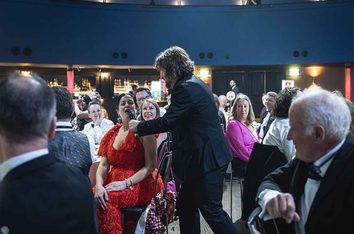
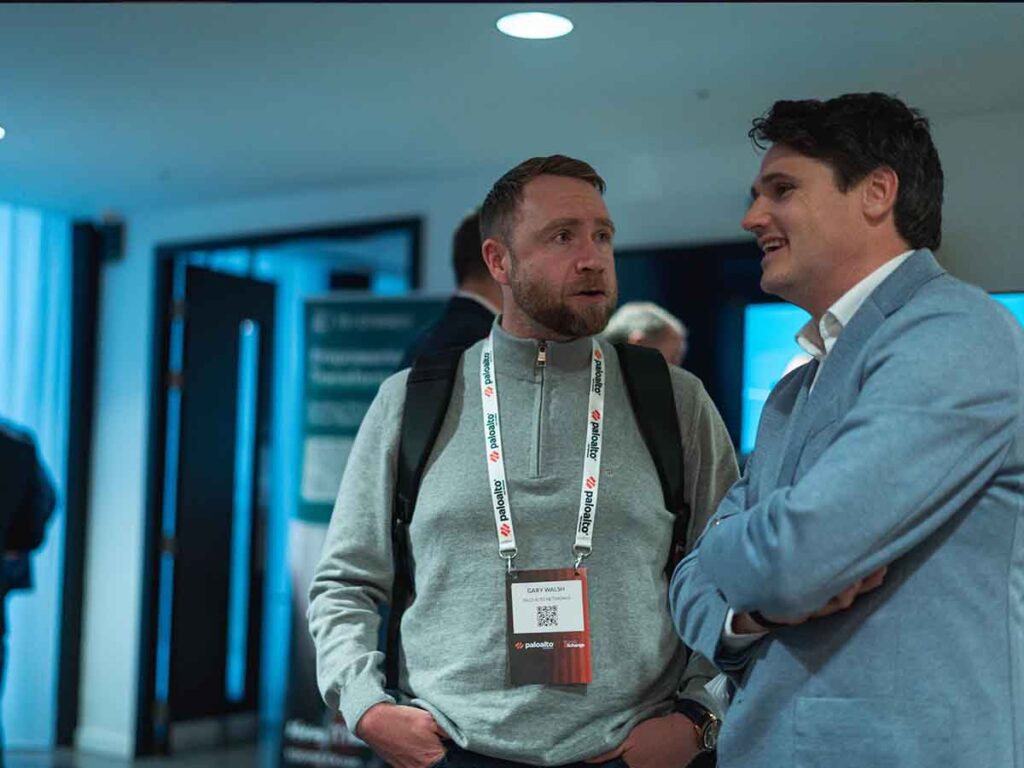
Full-day coverage is normally required when the visual story develops across several stages. A conference may begin with registration and coffee, move through keynotes and breakout sessions, include sponsor stands and lunch networking, then finish with awards or an evening reception.
A full-day conference photographer can document that complete progression and create a gallery that works for delegates, sponsors, press, internal reporting and promotion of the next event. Consistent coverage is especially valuable when different teams will use the photographs after the event.
Choose full-day coverage when there are multiple rooms, a large speaker list, an exhibition area, important VIPs, formal group photographs or live content deadlines. If two important sessions run simultaneously, additional photography support may be more useful than extending one photographer’s hours.
For conference-specific planning, see our conference photographer Dublin service. For awards, receptions and branded business events, view our event photography services.
Example Event Photography Schedules
Example 1: Two-hour corporate reception
- 17:30–17:45: venue, signage, catering details and empty-room photographs.
- 17:45–18:15: guest arrivals, greetings and sponsor visibility.
- 18:15–18:45: welcome speech, presentation or announcement.
- 18:45–19:30: networking, candid interactions, leadership portraits and a group photograph.
This schedule works when everything happens in one area and the organiser can quickly identify priority guests.
Example 2: Half-day seminar or product launch
- 08:30–09:00: room setup, branding, products and registration.
- 09:00–10:30: welcome, presentations and audience reactions.
- 10:30–11:00: coffee break, demonstrations and networking.
- 11:00–12:00: panel discussion, questions and closing remarks.
- 12:00–12:30: group photographs, portraits and final sponsor images.
This structure provides a complete story without requiring the photographer to remain for an unrelated afternoon programme.
Example 3: Full-day conference
- 07:45–08:30: venue establishing photographs, registration and exhibition stands.
- 08:30–12:30: opening, keynotes, panels, audience reactions and breakouts.
- 12:30–14:00: lunch networking, sponsor activity and speaker portraits.
- 14:00–17:00: afternoon sessions, workshops and group photographs.
- 17:00–18:30: closing session, drinks reception and delegate networking.
Example 4: Gala and awards evening
- 17:30–18:30: room details, trophies, sponsor branding and VIP arrivals.
- 18:30–20:00: reception, table photographs and atmosphere.
- 20:00–22:30: speeches, entertainment and every award presentation.
- 22:30–23:00: winners, group photographs and final celebration images.
Gala coverage should continue until the final important award, not simply for a fixed number of hours from guest arrival.
What Affects Event Photography Coverage Hours?
The number of essential moments
A short event with ten mandatory photographs can require more planning than a longer informal reception. Use our corporate event photography shot list to separate essential images from optional coverage.
Venue size and simultaneous sessions
Moving between floors, halls or nearby venues takes time. Parallel sessions may require a second photographer, particularly when both include important speakers or sponsor commitments.
Arrivals, setup and the empty room
Photographs of signage, stage design, tables and exhibition stands must usually be completed before guests enter. The booked start time should therefore be earlier than the public event time.
VIPs, groups and portraits
Planned portraits are efficient when people have a confirmed time and location. Waiting for senior guests or assembling a large group can extend the schedule considerably.
Same-day image delivery
Editing and transmitting photographs during the programme requires protected time, a workspace and reliable internet access. Decide whether this work is included within coverage hours or handled by a separate editor.
Travel and access
Parking, security, loading restrictions and accreditation affect arrival time. Share these details in advance using our event photography brief template.
How the Event Photography Quotation Process Works
A useful quotation begins with the date, venue, expected attendance, public schedule and intended use of the photographs. The photographer then reviews the essential moments, number of rooms, delivery deadline and any travel or additional staffing requirements.
- Send the outline: date, location, provisional start and finish times.
- Explain the outputs: full gallery, press selection, social media highlights or sponsor coverage.
- Share the draft schedule: including arrivals, speeches, breaks and the final important moment.
- Identify complications: simultaneous sessions, VIP protocols, restricted access or on-site editing.
- Receive a recommended coverage plan: two hours, half day, full day or a tailored multi-photographer option.
The quote should explain what is included, rather than leaving the client to compare hourly figures without context. Coverage duration is only one part of the price; preparation, editing, delivery and usage requirements also matter.
How to Avoid Booking Too Little or Too Much Time
Work backwards from the first and last photographs that matter. If the first priority is an empty-room image at 08:00 and the last is an award at 21:45, the requirement is not an eight-hour booking even if the formal programme lasts eight hours.
At the same time, not every quiet period needs active coverage. A long closed workshop, rehearsal or meal may create an opportunity for a planned break or split schedule. Share the complete programme and ask the photographer to identify useful coverage windows.
A clear brief is the best protection against unnecessary cost and missed moments. It allows an experienced photographer to recommend a practical schedule based on the story, logistics and final uses of the gallery.
Frequently Asked Questions
Is two hours enough for event photography?
Yes, when the event is compact, takes place in one location and has a limited number of essential moments. Build in time for arrivals, branding and any planned group photograph.
What does half-day event photography mean?
It commonly means up to four hours, but definitions vary. Confirm the exact duration, travel arrangements, editing and delivery terms in the quotation.
How many hours does a conference photographer need?
A morning or afternoon conference may need four hours. A programme including registration, keynotes, breakouts, networking and an evening reception usually needs full-day coverage.
Should the photographer arrive before guests?
Usually yes. Arriving 30 to 60 minutes before registration allows time for venue, stage, signage and sponsor photographs without crowds.
Does same-day editing count as photography time?
It can. Confirm whether editing happens during the booked coverage, after the programme, or through a separate editor so important sessions are not missed.
Can coverage be extended on the day?
Sometimes, subject to availability. Agree the extension rate and authorisation process in advance, especially when speeches or awards may overrun.
Request the Right Event Photography Coverage
E17 photographs conferences, corporate events, awards, launches and receptions across Dublin and Ireland. Send us your draft schedule and the photographs you need; we will recommend a realistic coverage period and explain the options clearly.
Request an event photography quote or explore our corporate photography services in Dublin. If you are still planning priorities, start with the 40-photo shot list and then complete the free event photography brief template.