
A strong event photography brief does more than tell a photographer where to arrive and when to start. It connects the photography with the commercial goals of the event, identifies the moments that cannot be repeated and explains how the final images will be used.
For event managers, agencies and in-house marketing teams, a clear event photography brief reduces uncertainty before the event and makes the final gallery more useful for PR, social media, sponsors, internal communications and future campaigns.
This guide explains exactly what to include, when to send it and how to set realistic delivery and publication deadlines. At the end, you will find a complete event photographer brief template that you can copy and adapt.
If you are planning an event in Ireland, explore our event photography services in Dublin, view our conference photography service or request a tailored quote.
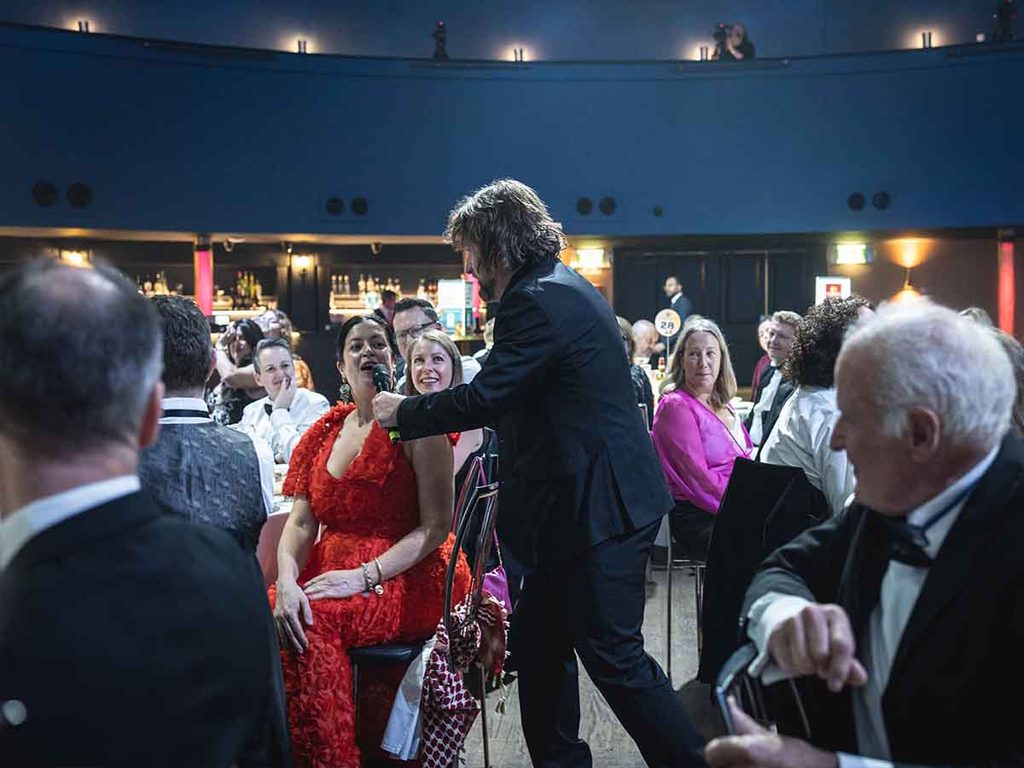
What Is an Event Photography Brief?
An event photography brief is a practical document that explains what is happening, who matters, which photographs are essential and how the images will be delivered and used. It should give the photographer enough information to prepare properly without attempting to direct every individual frame.
The best briefs combine three types of information:
- logistics: date, venue, access, schedule and contact details;
- creative priorities: important people, atmosphere, branding and essential moments;
- commercial requirements: publication deadlines, image formats, usage and delivery.
A brief is especially important when an event includes multiple rooms, simultaneous sessions, VIP guests, sponsors, awards or same-day media coverage.
1. Begin with the Event Basics
Start with information that allows the photographer to plan travel, equipment and working time. Include:
- event name and purpose;
- date and complete venue address;
- photography start and finish times;
- guest arrival time;
- parking, loading and accreditation instructions;
- dress code;
- the name and mobile number of one on-site decision-maker.
Do not assume that the public programme contains every detail the photographer needs. Access for suppliers may begin earlier, and security procedures can take longer than expected.
2. Share the Full Schedule
Attach the latest running order and highlight the moments that cannot be repeated. These may include a VIP arrival, keynote opening, award handover, product reveal, signing, group photograph or media announcement.
Mark sessions taking place simultaneously. A single photographer cannot cover two rooms at the same time, so the schedule helps determine whether a second photographer is required. For a detailed list of useful photographs, see our corporate event photography shot list.
3. Define the Purpose of the Photographs
Explain why the organisation is commissioning photography. A gallery intended for an internal archive requires a different approach from images created for a press release, sponsor report or campaign launch.
Common objectives include:
- documenting attendance and atmosphere;
- showing sponsor visibility;
- creating press-ready photographs;
- supplying live or same-day social media content;
- promoting the next edition of the event;
- supporting recruitment or employer branding;
- providing speakers and partners with approved images.
If media distribution is a priority, include your communications or PR contact. E17 also provides dedicated PR photography in Dublin for launches, announcements and press-ready corporate imagery.
4. Identify VIPs, Speakers and Priority People
Send a list of names, roles and, where possible, recent headshots of the people who must be photographed. For large conferences, a simple annotated speaker page is more useful than expecting the photographer to recognise every person from the stage programme.
Specify whether each person requires:
- a clean individual portrait;
- photographs speaking on stage;
- interaction with delegates;
- a planned photograph with sponsors or organisers;
- an executive group photograph;
- images suitable for press distribution.
Also mention anyone who should not be photographed or any areas where photography is restricted.
5. List Branding and Sponsor Requirements
Sponsors frequently need evidence that agreed branding was visible. Identify the logo wall, stage screen, exhibition stands, products, branded materials and hospitality areas that must appear in the final gallery.
Instead of requesting photographs of logos alone, ask for branding within meaningful scenes: a busy sponsor stand, a speaker in front of the event screen or delegates using a branded installation. These images are more valuable for reports and future promotion.
6. Plan Group Photographs Before the Event
Group photographs often fail because they are requested at the last minute. State who needs to be included, estimate the number of people and assign someone to gather them.
Schedule each essential group photograph in the running order. The best time is usually immediately before or after a session, while everyone is already in the same area.
7. Set Publication and Delivery Deadlines
“As soon as possible” is not a useful delivery instruction. Give the photographer specific deadlines based on the publishing plan.
Same-day highlights
If images are needed while the event is still taking place, specify the required number, approximate delivery times and the person who will receive them. A practical request might be ten edited photographs by 13:30 for LinkedIn and another fifteen after the awards presentation.
Press and PR deadline
State when the press release will be distributed and whether captions, names or a particular image orientation are required. Confirm who approves the final selection.
Complete gallery
Agree the turnaround for the complete edited gallery. E17 normally delivers full event galleries within 48 hours, with priority selections available sooner when arranged in advance.
Fast delivery requires planning. Provide a working location, reliable internet access and short approval routes if the photographer is expected to edit on site.
8. Agree File Formats and Delivery Method
Explain where the photographs will be used so the photographer can prepare the correct files. Typical requirements include:
- high-resolution JPEG files for print and archives;
- web-optimised files for websites and email;
- horizontal images for banners and press releases;
- vertical images for Stories, reels covers and mobile campaigns;
- clean images with negative space for text overlays;
- a secure online gallery for the organiser and approved partners.
Ask whether the gallery can be shared directly with speakers or sponsors, or whether all distribution must go through the organiser.
9. Clarify Image Usage and Permissions
The brief should record how the commissioned photographs may be used. Discuss websites, organic social media, press releases, internal communications, advertising, sponsor reports and third-party distribution.
Confirm whether sponsors, speakers or agencies may download and reuse the images. If paid advertising, international campaigns or long-term third-party licensing is planned, mention it before the event so the agreement is clear.
The organiser remains responsible for communicating relevant privacy information to attendees and managing consent requirements. Tell the photographer about opt-out systems, coloured lanyards, restricted sessions or guests who must not appear in photographs.
10. Include a Priority Shot List
A concise priority list is valuable; a script describing every possible photograph is not. Divide requests into three levels:
- essential: moments and people that cannot be missed;
- important: images needed for marketing, sponsors or reports;
- optional: useful photographs to capture when the schedule allows.
This gives the photographer direction while preserving the flexibility required to respond to real interactions and changing conditions.
11. Appoint One Decision-Maker
Multiple people giving conflicting instructions can create gaps in coverage. Name one organiser or agency contact who can approve changes, identify guests and make quick decisions on site.
For same-day delivery, identify a separate person who can check names, captions and brand requirements without delaying the photography.
Copy-and-Paste Event Photography Brief Template
Copy the template below into your email or planning document and remove any sections that do not apply.
EVENT PHOTOGRAPHY BRIEF
Event name:
Organisation/client:
Date:
Venue and full address:
Photography hours:
Guest arrival time:
On-site contact and mobile:Purpose of the event:
[One or two sentences explaining the event and audience.]Primary purpose of the photographs:
[PR / social media / sponsor report / internal communications / future promotion / archive.]Schedule:
[Attach the latest running order and mark non-repeatable moments.]Essential photographs:
1.
2.
3.VIPs, speakers and organisers:
[Names, roles, headshots and required combinations.]Branding and sponsors:
[Logos, stands, products and contractual coverage requirements.]Group photographs:
[Who, how many people, location and scheduled time.]Restrictions and privacy:
[Restricted areas, opt-outs, confidential sessions or guests not to photograph.]Same-day delivery:
[Number of images, deadline, orientation and recipient.]Complete gallery deadline:
[Agreed date and time.]File requirements:
[High resolution / web / horizontal / vertical / text space.]Permitted use:
[Website, social, PR, advertising, partners, sponsors and duration.]Approval contact:
[Name, email and mobile.]
Final Check Before Sending the Brief
Before sending, confirm that the schedule is current, names are spelled correctly and every commercial requirement has an owner. Send the first version several days before the event, then provide only the essential updates as the programme changes.
A good brief should make priorities clear without preventing the photographer from documenting the event naturally. It protects the moments that matter while creating a gallery that remains useful long after the event has finished.
Need an Event Photographer in Dublin?
E17 photographs corporate events, conferences, awards ceremonies, networking evenings and PR launches across Dublin and Ireland. We work from your brief and schedule, with same-day highlight delivery available when arranged in advance.
Request a photography quote and send us your date, venue, coverage hours and draft programme. We will recommend the right level of coverage for your event.
Frequently Asked Questions
When should I send an event photography brief?
Send the first version several days before the event. Share important schedule, speaker or access updates as soon as they are confirmed.
How long should an event photographer brief be?
Most briefs can be one to three pages plus the running order. Priorities should be clear enough to scan quickly during a busy event.
What should be included in an event photography brief?
Include logistics, schedule, priority people, essential photographs, branding, restrictions, delivery deadlines, file formats and permitted image usage.
Can event photographs be delivered on the same day?
Yes. Agree the number of images, exact deadlines and delivery contact in advance. On-site editing may require a workspace and reliable internet connection.
Who owns the photographs from a corporate event?
Ownership and usage depend on the photography agreement. The brief should record the intended channels, partner distribution and any advertising or licensing requirements.
Need help choosing the booking length? Compare practical schedules in our event photography coverage hours guide.